Family Therapy
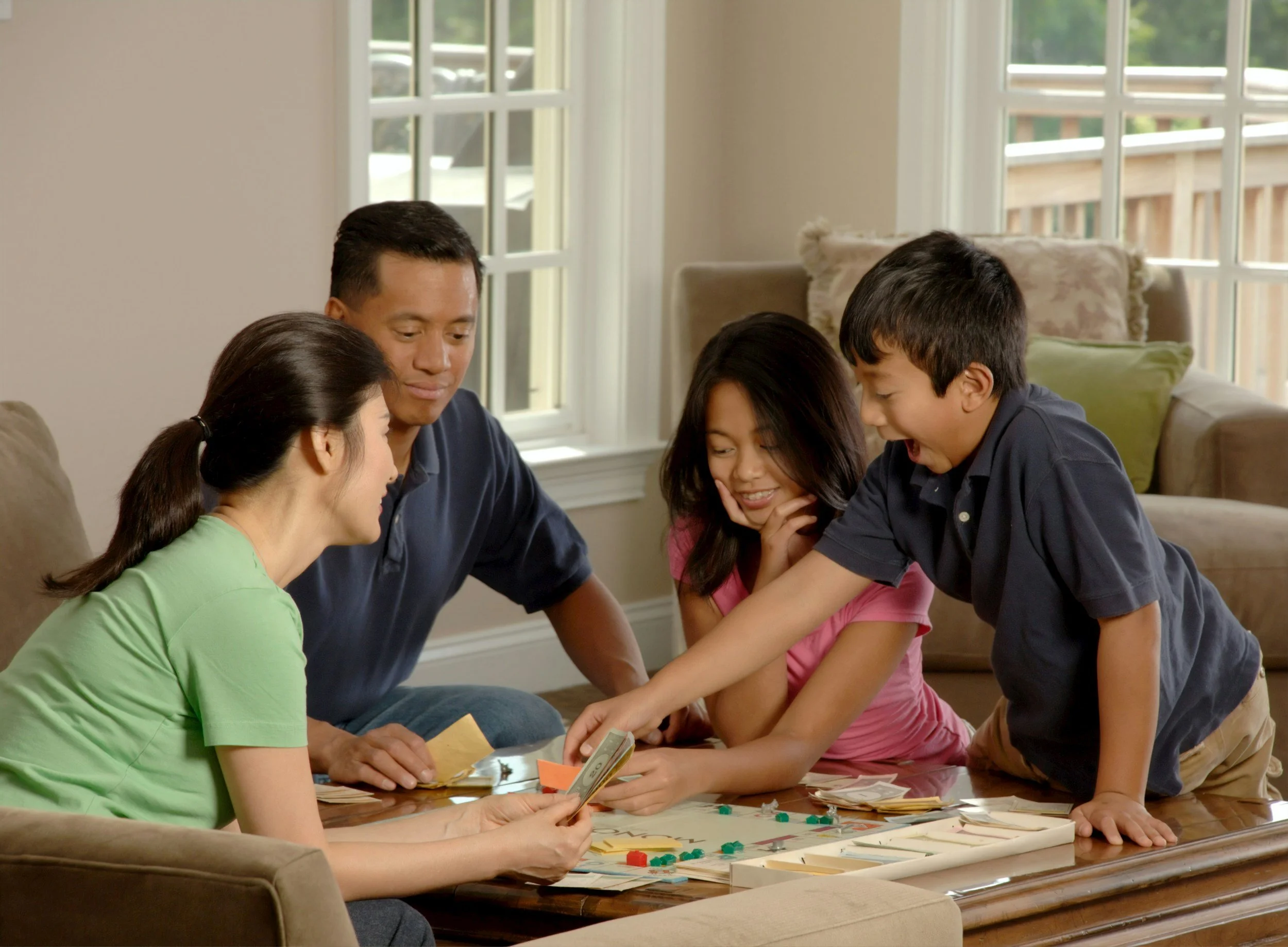
Families are complex, dynamic systems where each person’s experience both influences and is influenced by others.
At times, families can feel stuck in patterns of communication, conflict, or disconnection that are difficult to shift on their own. These patterns often develop over time and are shaped by roles, expectations, cultural context, and intergenerational experiences.
Family therapy offers a space to understand these dynamics and create new ways of relating.
Our Approach to Family Therapy
Our work is grounded in empirically supported family therapy models, including:
Bowen Family Systems Theory
Understanding intergenerational patterns, differentiation, and emotional processes within families.Structural Family Therapy
Exploring family roles, boundaries, and hierarchies to support more functional interactions.Strategic and Systemic Approaches
Identifying patterns of interaction and implementing interventions that shift relational dynamics.Attachment-Based Family Therapy
Strengthening emotional bonds and increasing safety within family relationships.
What This May Look Like
Ongoing conflict between family members
Difficulty communicating or feeling understood
Parenting challenges and alignment between caregivers
Navigating transitions such as divorce, blending families, or developmental changes
Intergenerational patterns impacting current relationships
How Therapy Helps
In family therapy, we work to:
Identify and interrupt unhelpful relational patterns
Improve communication and emotional understanding
Clarify roles, boundaries, and expectations
Strengthen connection and relational safety
We approach each family with the understanding that no one person is the problem. Instead, we look at how patterns within the system contribute to what is happening.
The Goal of Family Therapy
The goal is to create a more balanced, connected, and functional system where each member feels seen, heard, and supported. This includes building stronger relationships while also allowing for individuality within the family structure.